
Echo Test, ECG, Holter & Troponin Test: A Complete Guide to Cardiac Diagnosis
Aug 18, 2026


Morning walk benefits go far beyond burning calories. A regular walk can support heart health, mood,
sleep, mobility and healthy weight management. It is also one of the simplest forms of exercise
because it requires very little equipment and can be adapted to different fitness levels.
A morning walk is not automatically better than walking at another time of day. The most important
factor is consistency. However, many people find that walking early in the morning helps them create
a routine, get daylight exposure and begin the day with more energy and focus.
Whether you walk alone, with family or with a walking group, even a short daily morning walk can
become a meaningful part of a healthier lifestyle.
Walking is a low-impact cardiovascular workout that works several muscle groups, such as your legs, core, and arms. It boosts your heart rate, which strengthens your heart and increases lung capacity.
Regular walking can also help you build endurance, making ordinary tasks like climbing stairs or carrying groceries simpler. Over time, higher physical fitness can lead to improved overall health and a lower risk of chronic illnesses like diabetes and hypertension.
Morning walks might have a significant impact on your mental health. Endorphins, which are natural mood enhancers, are released during physical exercise. They can help relieve stress, anxiety, and sadness.
Walking outside, especially in green places, can add to these advantages by creating an atmosphere of peace that promotes mindfulness and mental clarity. The combination of physical exercise and nature can help clear your mind, improve your mood, and boost your overall sense of well-being.
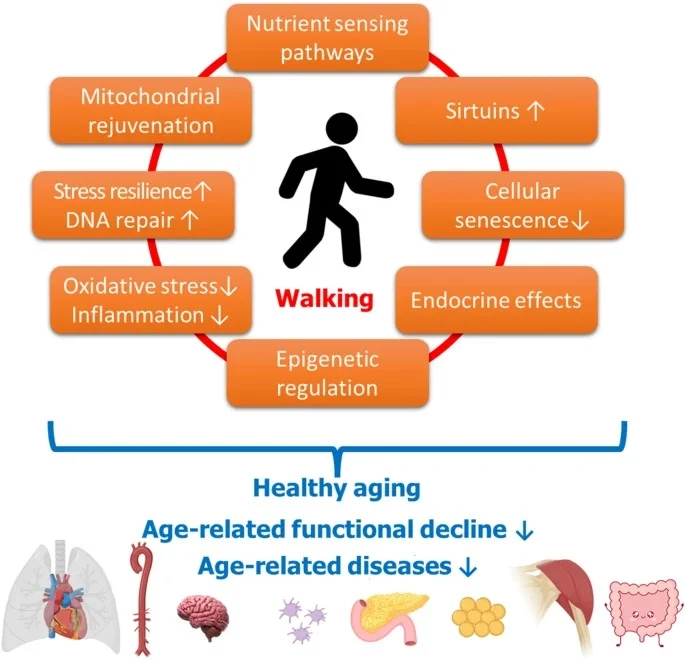
Regular physical exercise, such as morning walks, might help normalize your sleeping patterns. Walking relieves tension and anxiety, which are typical causes of sleep problems. Furthermore, exposure to natural light during a morning stroll helps regulate your circadian cycle, making it simpler to fall asleep at night and get a deeper, more restful sleep. Quality sleep is critical for physical recuperation, cognitive performance, and emotional equilibrium.
The benefits of walking early in the morning may include fewer interruptions, a quieter environment
and a greater chance of completing your activity before work or family responsibilities begin.
Many people find that an early morning walk becomes easier to maintain because it is completed
before the day gets busy. It can also create a positive sense of accomplishment and help you start
the day feeling more organised.
However, there is no single “best” time to walk for everyone. If mornings are not practical, walking
later in the day can still provide important health benefits. The best walking routine is one that
is safe, enjoyable and consistent.
Morning walks are great for keeping your heart healthy. Regular walking reduces blood pressure and increases blood circulation, lowering the risk of cardiovascular disease. Walking also helps to lower cholesterol levels by boosting good HDL cholesterol and reducing harmful LDL cholesterol. This confluence of effects creates morning walking an effective strategy for maintaining cardiovascular health and preventing heart disease.
Morning walks are a feasible and sustainable type of exercise for anyone aiming to lose weight or maintain their current body weight. Walking burns calories and, when done frequently, can help you reach and maintain a healthy weight.
Combining morning walks with a healthy diet can result in considerable weight loss and better body composition. Walking is also simpler to keep to than high-intensity activities, making it an effective component of a long-term weight control regimen.
Walking is a weight-bearing activity, which means it promotes bone density and prevents osteoporosis and fractures. Walking on a regular basis strengthens bones and promotes joint health by boosting the production of synovial fluid, which lubricates the joints.
This can reduce the risk of developing arthritis and improve joint mobility and flexibility, making daily movements more comfortable and reducing the risk of injury.
Regular morning walks can boost your immune system, making you less prone to common ailments like colds and the flu. Physical exercise promotes the circulation of white blood cells and antibodies, which are essential for combating illnesses. Furthermore, walking can help remove germs from the lungs and airways, lowering the risk of respiratory infections. A strong immune system is vital for general health and well-being, allowing you to remain active and energetic.
Walking has been linked to improved cognitive function and memory. Exercise increases blood flow to the brain, which promotes the creation of new brain cells and synapses. This may lessen the risk of cognitive decline and neurological disorders such as Alzheimer’s. Morning walks can also boost creativity and problem-solving skills, making you more productive and mentally sharp throughout the day.
An active morning walk helps stimulate the digestive tract, therefore regulating bowel motions and preventing constipation. Physical exercise accelerates the transit of food through the digestive tract, lowering the probability of bloating and discomfort. Improved blood flow to the digestive organs promotes nutrition absorption and general digestive health. This can result in a healthier gut, lower risk of gastrointestinal issues, and better overall health.
Morning walks provide an excellent time to connect with friends, family, and neighbors. Walking with a partner or in a group may enhance the fitness experience and foster a feeling of community. Social contacts are important for mental health because they provide support, companionship, and a sense of belonging. Having a walking buddy can also help keep you motivated and accountable, making it more likely that you’ll stick with your morning walk routine.
You do not need to begin with a long walk. If you are new to exercise, start with 10 to 15 minutes at a comfortable pace and gradually increase the duration as your fitness improves.
Many adults aim for around 150 minutes of moderate-intensity activity each week. Brisk walking can count as moderate activity when your breathing and heart rate increase, but you can still speak in short sentences.
A practical target may be a 20 to 30-minute morning walk on most days of the week. If that feels difficult, divide your activity into shorter walks. For example, you can walk for 10 minutes in the morning, take another short walk after lunch and add a few minutes in the evening.
Remember that even a short daily morning walk is a positive start. Consistency matters more than distance, pace or step count in the beginning.
If you’re new to morning walking, here are some suggestions to get you started:
Taking a morning walk in your regular routine can give several health advantages, ranging from improved physical fitness and mental health to increased immunological function and social relationships. It’s a basic, low-impact activity that may significantly improve your general well-being. So why not start tomorrow? Put on your walking shoes, get outside, and feel the transformational impact of a morning stroll. Your body and mind will appreciate you.
Making morning walks a regular part of your schedule will help you live a healthier and happier life. It’s just a small alteration that may have a big impact on your energy, attention, and sense of connection. Whether you’re walking alone or with others, enjoy the experience and recognize the beneficial influence it has on your life.
Walking is generally a low-impact activity, but some people should seek medical advice before beginning or increasing their exercise routine. This includes people with chest pain, uncontrolled blood pressure, severe breathlessness, recent surgery, dizziness, balance problems, significant joint pain or a known heart condition.
Older adults, people recovering from injury and people with diabetes should choose safe walking routes, supportive footwear and a pace that suits their current fitness level.
If you develop chest discomfort, faintness, severe shortness of breath, sudden weakness or severe pain while walking, stop and seek medical attention.
The benefits of walking in the morning can include improved fitness, better mood, heart health, sleep quality, mobility, healthy weight management and a more consistent exercise routine.
The advantages of an early morning walk include a quieter environment, fewer schedule interruptions and the opportunity to complete physical activity before the day becomes busy.
Walking can support healthy weight management by helping your body use energy. For weight loss, regular walking works best when combined with balanced eating habits and a sustainable routine.
If you are new to walking, start with 10 to 15 minutes and gradually increase your time. Many people work towards a 20 to 30-minute daily morning walk, depending on their fitness and health needs.
Walking is a weight-bearing activity that can support bone health, muscle strength, balance and mobility. If you have persistent joint pain, swelling or difficulty walking, seek medical advice.
Both morning and evening walks can be beneficial. Morning walking may be easier for people who prefer a regular routine, but the best time to walk is the time that fits your schedule and can be maintained consistently.
The importance of a morning walk is that it helps make physical activity a regular part of daily life. It can support physical fitness, mental wellbeing and long-term healthy habits.
Making a morning walk part of your routine can be a simple step towards a healthier and more active lifestyle. The real benefit comes from doing it regularly, choosing a pace that suits you and making movement a natural part of your day.
Making a morning walk part of your routine can be a simple step towards a healthier and more active lifestyle. The real benefit comes from doing it regularly, choosing a pace that suits you and making movement a natural part of your day.
This blog is for general health education only and is not a substitute for personalised medical advice, diagnosis or treatment. Speak with a qualified healthcare professional before starting a new exercise programme if you have a chronic health condition, recent injury or concerning symptoms.
CDC: Benefits of Physical Activity
CDC: Physical Activity, Weight and Health
U.S. Physical Activity Guidelines
National Institute on Aging: Exercise and Physical Activity