Inauguration of the Latest CUVIS, the World’s Most Advanced Fully Active Robotic Joint Replacement System
by IT and Industries Minister Shri D. Sridhar Babu
Atrial fibrillation, commonly called AFib, is the most common sustained cardiac arrhythmia, affecting an estimated 2 to 4 million people in India. It occurs when the upper chambers of the heart (the atria) fire chaotic, disorganized electrical signals instead of the coordinated signals that produce a normal heartbeat. The result is a rapid, irregular heart rhythm that can cause palpitations, breathlessness, and fatigue.
Left untreated, AFib significantly increases the risk of stroke. Blood that pools in the irregularly contracting atria can form clots, which travel to the brain and cause stroke. AFib accounts for approximately 15 to 20% of all strokes. With the right treatment, this risk can be reduced substantially and most patients with AFib can lead normal, active lives.
The heart's normal rhythm is controlled by the sinoatrial (SA) node, a small cluster of cells in the right atrium that fires a regular electrical impulse, causing the atria to contract and push blood into the ventricles. In atrial fibrillation, multiple areas of the atria generate erratic electrical impulses simultaneously, overriding the SA node. The atria quiver rather than contract properly, and the ventricles beat irregularly in response.
AFib can be intermittent (paroxysmal, stopping on its own within seven days), persistent (lasting more than seven days and requiring treatment to restore normal rhythm), or permanent (when normal rhythm cannot be restored or the decision is made to accept AFib and control heart rate instead). The type of AFib affects which treatment approach is most appropriate.
Symptoms vary widely. Some patients are acutely aware of every episode; others, particularly older adults, have no symptoms at all and AFib is found incidentally on a routine ECG.
Diagnosis is made by recording the heart's electrical activity during an episode. Because AFib can be intermittent, a standard resting ECG may miss it if performed when the patient is in normal rhythm.
Rate control aims to slow the ventricular rate during AFib without necessarily restoring normal sinus rhythm. Medications used include beta-blockers, calcium channel blockers, and digoxin. Rate control is appropriate for patients with permanent AFib or those who are not candidates for rhythm control.
Rhythm control aims to restore and maintain normal sinus rhythm (cardioversion). This can be achieved with antiarrhythmic medications or electrical cardioversion (a brief, controlled electric shock under sedation that resets the heart's rhythm). Rhythm control is preferred for younger patients, those with significant symptoms, and those who do not tolerate rate control well.
Radiofrequency ablation (RFA) is a catheter-based procedure that eliminates the abnormal electrical triggers driving AFib. Most AFib originates from electrical pulses firing from the pulmonary veins (the veins that bring oxygenated blood from the lungs to the left atrium). The procedure involves threading catheters into the heart and delivering radiofrequency energy to create small scars around the pulmonary vein openings, isolating the triggers from the rest of the atrium. Ablation offers the best chance of long-term freedom from AFib, particularly in patients with paroxysmal or early persistent AFib.
Anticoagulation therapy is the cornerstone of AFib management for most patients, regardless of whether rate or rhythm control is chosen. Blood thinners (warfarin or newer direct oral anticoagulants such as apixaban, rivaroxaban, or dabigatran) reduce stroke risk by preventing clot formation in the left atrium. The decision to anticoagulate is guided by the CHA2DS2-VASc score, a validated risk calculator based on age, gender, and comorbidities.
Some patients with AFib and associated bradycardia (slow heart rate) may require pacemaker implantation to ensure an adequate heart rate, particularly if antiarrhythmic or rate-controlling medications slow the heart excessively.
Consult expert cardiologists in Hyderabad at Germanten Hospital

I visited Germanten Hospital for chest pain. The cardiologist explained my heart condition clearly, reviewed my ECG, and guided me with the right treatment plan. The staff was incredibly helpful.
Germanten is a trusted hospital for heart care. My tests went smoothly, and the doctor explained the reports in simple language. I felt completely comfortable throughout the visit.
I consulted their heart specialist for high blood pressure. The doctor listened patiently and gave practical advice for managing my heart health. Excellent patient care.
My father needed guidance for a heart angiography. The cardiology team here is fantastic—they are some of the best doctors we have met. They explained every step of the procedure clearly.
I had a great experience with the cardiology department. From booking the appointment to the consultation, everything was managed perfectly. The doctor gave honest and clear advice
I went to Germanten for a preventive heart check-up. The specialist evaluated my risk factors and suggested simple, effective lifestyle changes. It was a very reassuring visit.


Watch our cardiologists explain common heart symptoms, risk factors, diagnostic tests and preventive measures.

Expert advice on maintaining cardiovascular health

Preventive measures for cardiac conditions

Understanding common heart warning signs

Overview of cardiac diagnostic procedures

Key risk factors for cardiovascular disease

Modern treatment approaches for heart conditions
by IT and Industries Minister Shri D. Sridhar Babu
by Health Minister Shri Damodar Rajanarsimha
 01 / 12
Connect with our experts doctors for guidance
Find the best cardiologist in Hyderabad. Know what to look for, red flags to avoid, and 15 must-ask questions before your first cardiac specialist visit
Read MoreLearn how a cardiologist supports better heart health through diagnosis, prevention, regular check-ups, lifestyle guidance and cardiac care in Hyderabad
Read MoreLooking for the best cardiologist in Attapur Hyderabad? Learn what to look for, key credentials to check, and why Dr Mohammed Wasif Azam Germanten at Germanten Hospital is a trusted choice for heart care
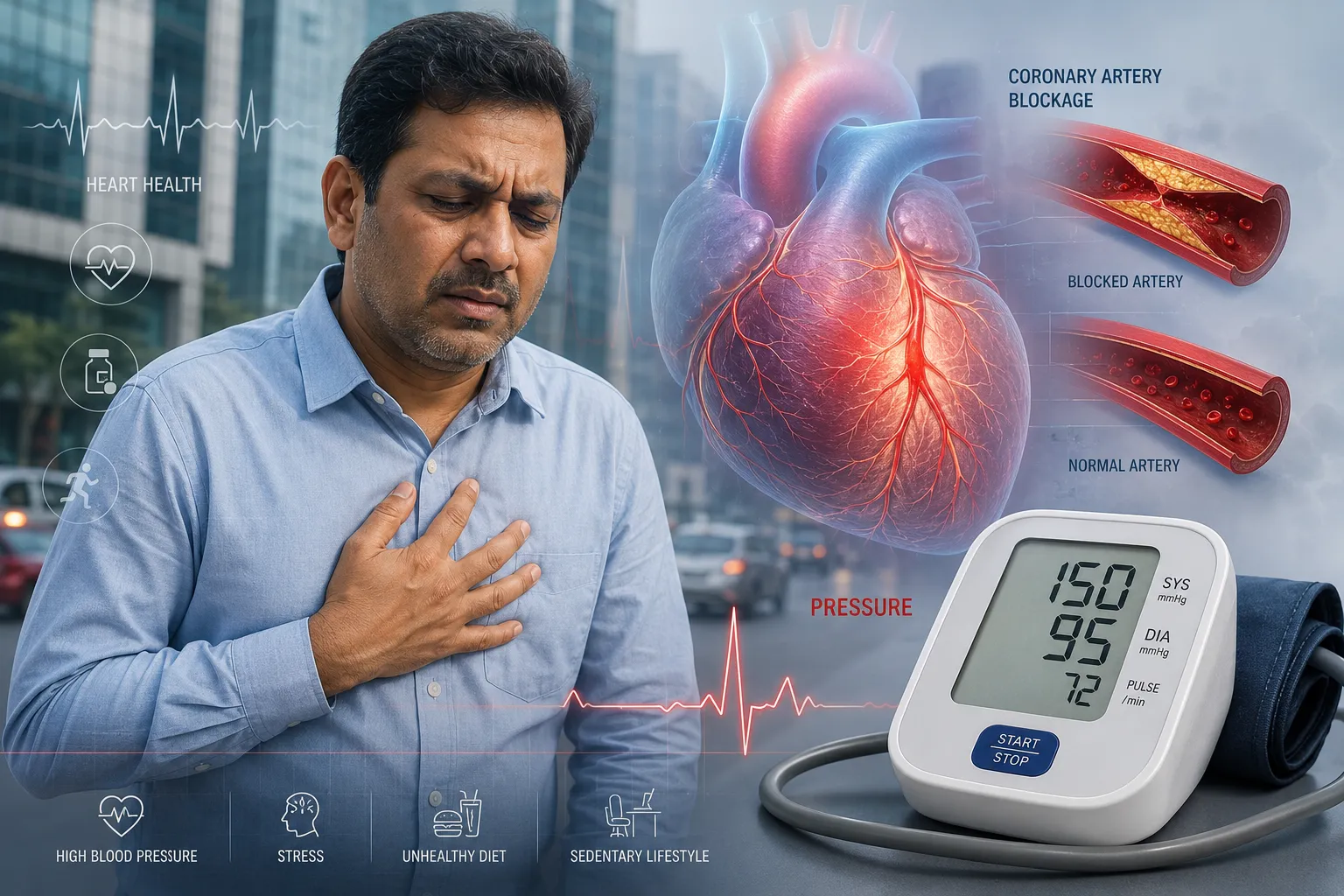
Read MoreUnderstand how high blood pressure silently damages your heart. A Hyderabad cardiologist explains the link between hypertension and heart disease, risk factors, and treatment options for patients in Attapur and across Hyderabad.
Read MoreDiscover the 10 most common heart disease risk factors in Hyderabad and how to reduce them. Expert advice from a preventive cardiologist in Attapur on diet, lifestyle, and cardiovascular prevention.
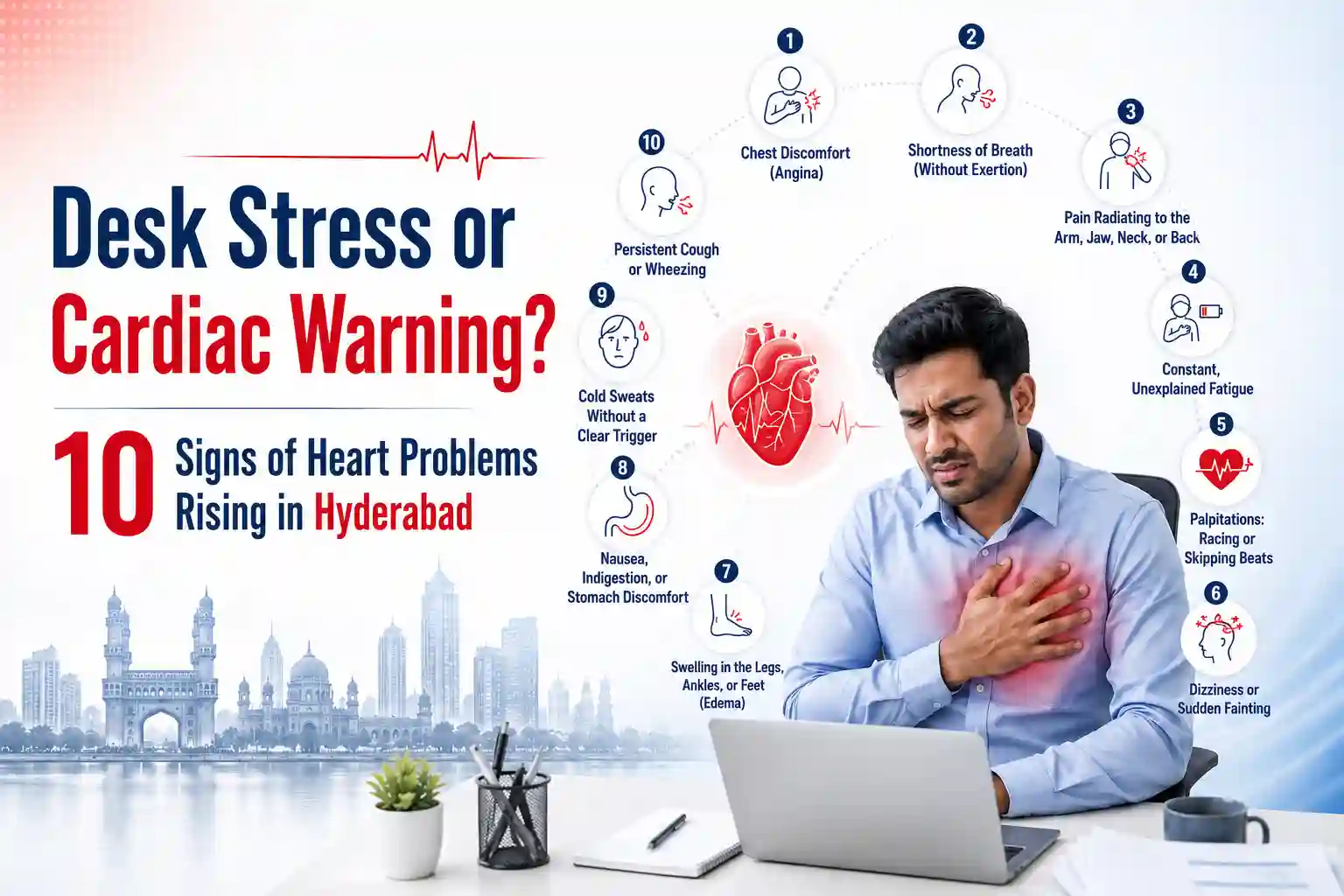
Read MoreExperiencing chest tightness or desk fatigue? Learn the 10 critical heart problem symptoms corporate workers in Hyderabad ignore. Book a checkup today.
Read MoreSpot the early signs of heart disease early, from chest pain to silent symptoms. Get expert cardiology care at Germanten Hospitals, Attapur, Hyderabad.
Read MoreGermanten Hospital is located in Attapur, one of South Hyderabad's most accessible neighborhoods. Patients from across southern and western Hyderabad can reach us within 20 to 30 minutes.