Inauguration of the Latest CUVIS, the World’s Most Advanced Fully Active Robotic Joint Replacement System
by IT and Industries Minister Shri D. Sridhar Babu
Congenital heart disease (CHD) refers to structural abnormalities of the heart that are present from birth. These defects arise during fetal development when the heart's complex four-chamber structure fails to form correctly. Congenital heart disease is the most common birth defect, affecting approximately 8 to 10 in every 1,000 live births in India, with an estimated 180,000 to 200,000 new cases each year.
Medical and surgical advances over the past four decades mean that over 90% of children born with congenital heart disease now survive into adulthood. This has created a large and growing population of adults living with congenital heart conditions that require ongoing specialist cardiac care. At Germanten Hospital, our cardiology team manages both newly presenting congenital defects in adults and long-term follow-up for patients who received treatment in childhood.
A hole in the wall (septum) between the two upper chambers of the heart (atria). Allows blood to flow from the left atrium to the right atrium, increasing the volume load on the right heart. The most common congenital defect presenting in adults. Often asymptomatic until middle age but can cause arrhythmias, right heart enlargement, and eventually pulmonary hypertension if left untreated.
A hole in the wall between the two lower chambers (ventricles). The most common congenital heart defect overall. Small VSDs may close spontaneously in childhood. Large VSDs cause a significant shunt, left heart volume overload, and require closure. Moderate VSDs that persist into adulthood require assessment and likely closure to prevent long-term complications.
The ductus arteriosus is a vessel connecting the aorta to the pulmonary artery that is normal in fetal circulation but should close within days of birth. Persistent PDA allows blood to flow from the aorta into the pulmonary artery, increasing pulmonary blood flow. Small PDAs may be asymptomatic but are at risk of infective endocarditis. Significant PDAs require closure.
The aortic valve has two leaflets instead of the normal three. Affects 1 to 2% of the population. Associated with accelerated valve degeneration causing aortic stenosis or regurgitation, and aortic root dilation requiring surveillance. The most common congenital heart anomaly in adults.
A combination of four defects: VSD, overriding aorta, pulmonary stenosis, and right ventricular hypertrophy. The most common cyanotic congenital heart defect. Virtually all surviving adults have had surgical repair in childhood and require lifelong cardiology follow-up for residual problems including pulmonary regurgitation, right ventricular dysfunction, and ventricular arrhythmias.
A narrowing of the aorta, usually just beyond the origin of the left subclavian artery. Causes hypertension in the upper body and reduced flow to the lower body. Associated with bicuspid aortic valve. Treated with surgical or balloon-based repair, but blood pressure often remains elevated even after successful treatment.
Narrowing of the pulmonary valve or the area just below or above it, obstructing blood flow from the right ventricle to the lungs. Mild pulmonary stenosis is well tolerated lifelong. Severe stenosis is treated with balloon valvuloplasty or surgery.
The aorta arises from the right ventricle and the pulmonary artery from the left ventricle, reversing normal circulation. Incompatible with life without early surgery. All surviving adults have had complex surgical repair in infancy and require lifelong specialist follow-up.
Adults presenting with previously undiagnosed CHD, or with a known defect that has changed, may experience any of the following:
Particularly with exertion, from reduced cardiac output, pulmonary hypertension, or arrhythmia.
Disproportionate tiredness with activity, often attributed incorrectly to deconditioning or other causes.
Arrhythmias, including atrial flutter, atrial fibrillation, and ventricular tachycardia, are common complications in adult CHD.
Bluish discoloration of the lips, fingertips, or toes, indicating reduced oxygen saturation from a right-to-left shunt. More common in complex, unrepaired, or residual defects.
Detected on examination, often the first sign of an undiagnosed defect in an asymptomatic adult.
From right heart failure, more common in patients with pulmonary hypertension or significant shunt lesions.
Paradoxical embolism through an ASD or patent foramen ovale (PFO) can cause stroke in young adults without other obvious stroke risk factors.
Echo with Doppler and color flow mapping is the primary investigation. It identifies structural defects, measures shunt size, assesses chamber function and pressures, and guides intervention planning.
Provides superior visualization of the atrial septum for ASD and PFO assessment, and guides device closure procedures.
The gold standard for quantifying shunt size, right ventricular function, and great vessel anatomy. Essential in complex CHD and for follow-up of repaired defects.
Provides detailed 3D anatomy of the heart and great vessels. Valuable for surgical planning in complex lesions and for assessing aortic anatomy in bicuspid aortic valve and coarctation.
Measures pressures in all heart chambers and calculates shunt ratios accurately. Essential when pulmonary hypertension is suspected, as pulmonary vascular resistance determines whether a defect is safely closeable.
Relevant when CHD is associated with chromosomal or gene-based syndromes, including Down syndrome (ASD, VSD, AVSD), Turner syndrome (coarctation, bicuspid aortic valve), and 22q11 deletion syndrome (conotruncal defects).
Most ASDs and many VSDs and PDAs can now be closed through a catheter-based approach without open-heart surgery. A closure device (most commonly an Amplatzer or equivalent device) is delivered through a catheter via the femoral vein, positioned across the defect under echocardiographic and fluoroscopic guidance, and deployed to occlude the hole. Learn more about our ASD and VSD closure programme.
Defects not suitable for catheter-based closure, or those requiring combined procedures (valve repair plus defect closure), are treated surgically. Open repair under cardiopulmonary bypass allows direct visualization and precise correction of complex anatomy. Surgical repair of simple defects such as ASD and VSD carries very low operative mortality at experienced centers.
Adults with CHD have a significantly higher lifetime risk of arrhythmias than the general population. Atrial flutter and fibrillation are particularly common after atrial-level surgical repairs. Radiofrequency ablation, antiarrhythmic medications, and in selected patients pacemaker or ICD implantation, are used based on the arrhythmia type and underlying anatomy.
When a large shunt has been present for years without closure, the pulmonary blood vessels can develop fixed high-pressure disease (Eisenmenger syndrome), at which point defect closure is no longer safe or beneficial. These patients are managed with targeted pulmonary arterial hypertension therapies. The window for safe defect closure emphasizes the importance of early detection and timely intervention.
Consult expert cardiologists in Hyderabad at Germanten Hospital

I visited Germanten Hospital for chest pain. The cardiologist explained my heart condition clearly, reviewed my ECG, and guided me with the right treatment plan. The staff was incredibly helpful.
Germanten is a trusted hospital for heart care. My tests went smoothly, and the doctor explained the reports in simple language. I felt completely comfortable throughout the visit.
I consulted their heart specialist for high blood pressure. The doctor listened patiently and gave practical advice for managing my heart health. Excellent patient care.
My father needed guidance for a heart angiography. The cardiology team here is fantastic—they are some of the best doctors we have met. They explained every step of the procedure clearly.
I had a great experience with the cardiology department. From booking the appointment to the consultation, everything was managed perfectly. The doctor gave honest and clear advice
I went to Germanten for a preventive heart check-up. The specialist evaluated my risk factors and suggested simple, effective lifestyle changes. It was a very reassuring visit.


Watch our cardiologists explain common heart symptoms, risk factors, diagnostic tests and preventive measures.

Expert advice on maintaining cardiovascular health
Preventive measures for cardiac conditions

Understanding common heart warning signs

Overview of cardiac diagnostic procedures

Key risk factors for cardiovascular disease
Modern treatment approaches for heart conditions
by IT and Industries Minister Shri D. Sridhar Babu
by Health Minister Shri Damodar Rajanarsimha
 01 / 12
Connect with our experts doctors for guidance
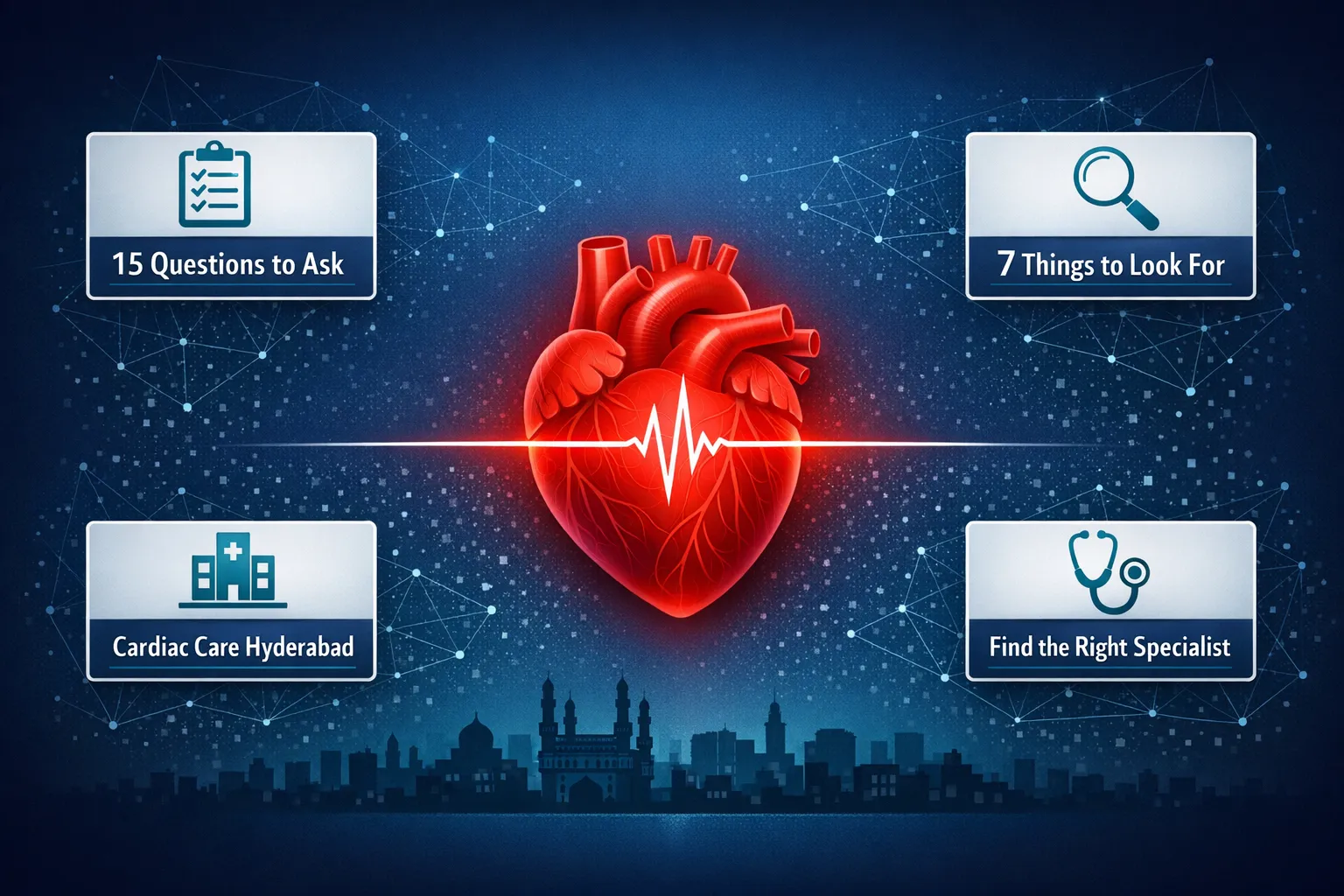
Find the best cardiologist in Hyderabad. Know what to look for, red flags to avoid, and 15 must-ask questions before your first cardiac specialist visit
Read MoreLearn how a cardiologist supports better heart health through diagnosis, prevention, regular check-ups, lifestyle guidance and cardiac care in Hyderabad
Read MoreLooking for the best cardiologist in Attapur Hyderabad? Learn what to look for, key credentials to check, and why Dr Mohammed Wasif Azam Germanten at Germanten Hospital is a trusted choice for heart care
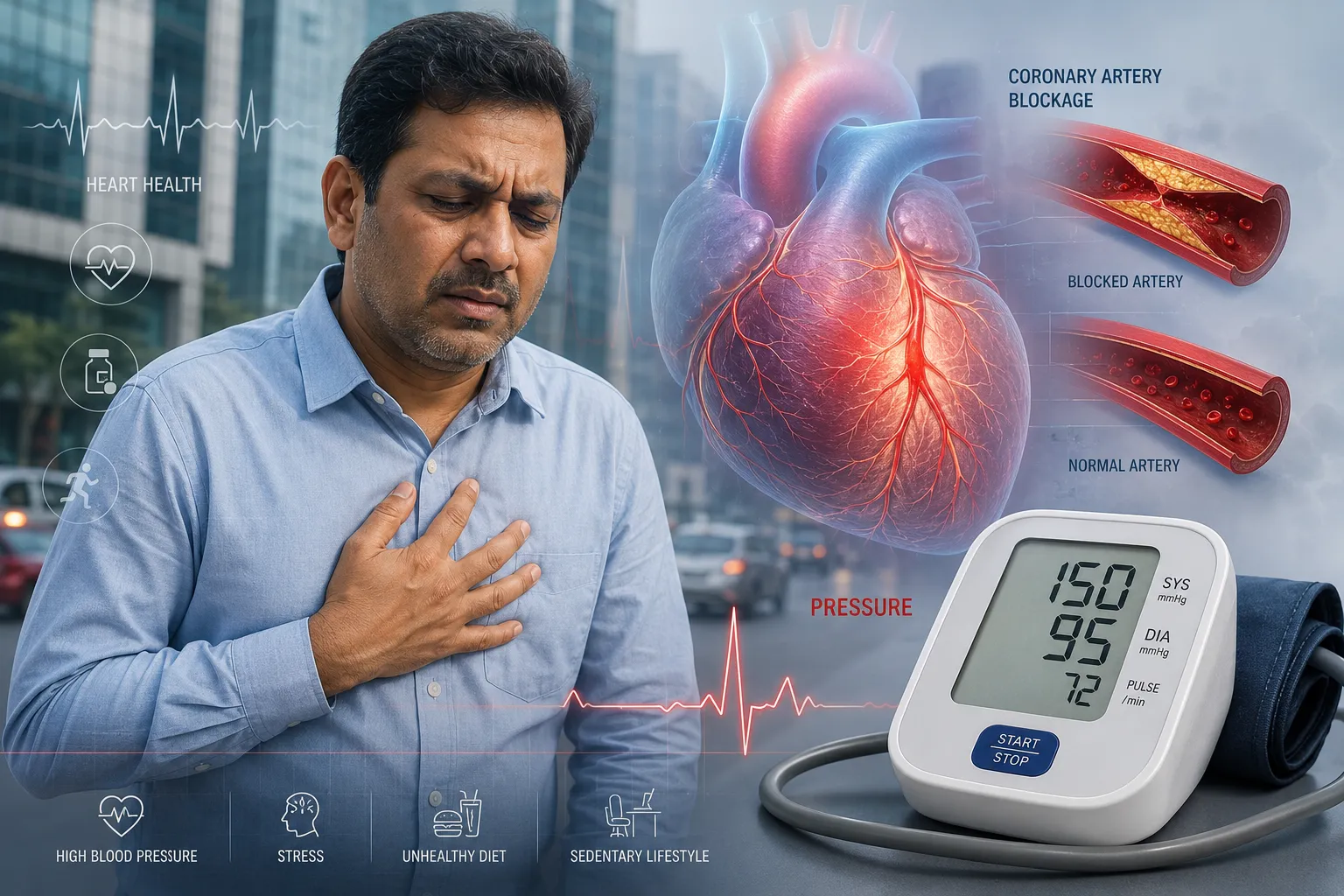
Read MoreUnderstand how high blood pressure silently damages your heart. A Hyderabad cardiologist explains the link between hypertension and heart disease, risk factors, and treatment options for patients in Attapur and across Hyderabad.
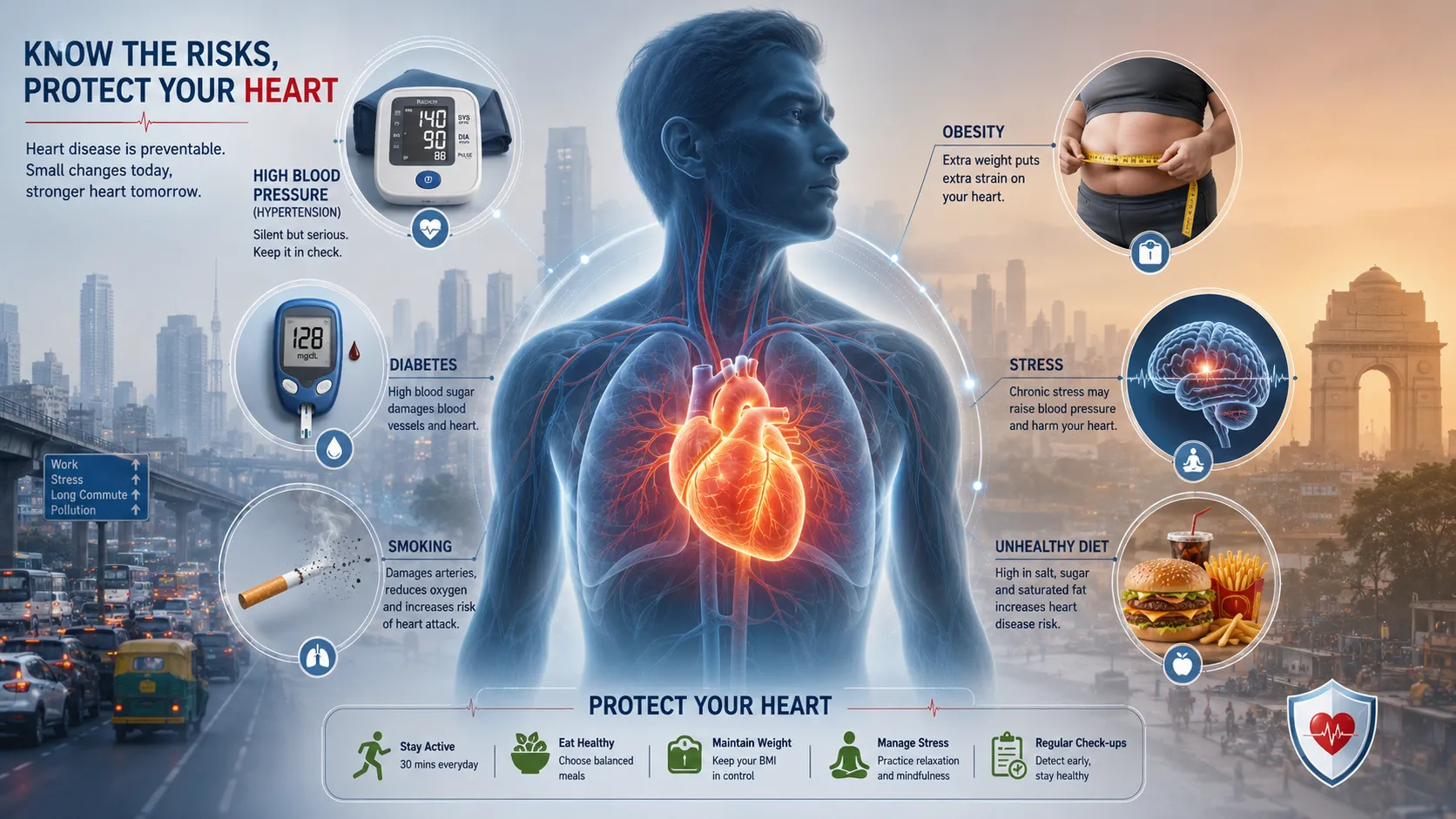
Read MoreDiscover the 10 most common heart disease risk factors in Hyderabad and how to reduce them. Expert advice from a preventive cardiologist in Attapur on diet, lifestyle, and cardiovascular prevention.
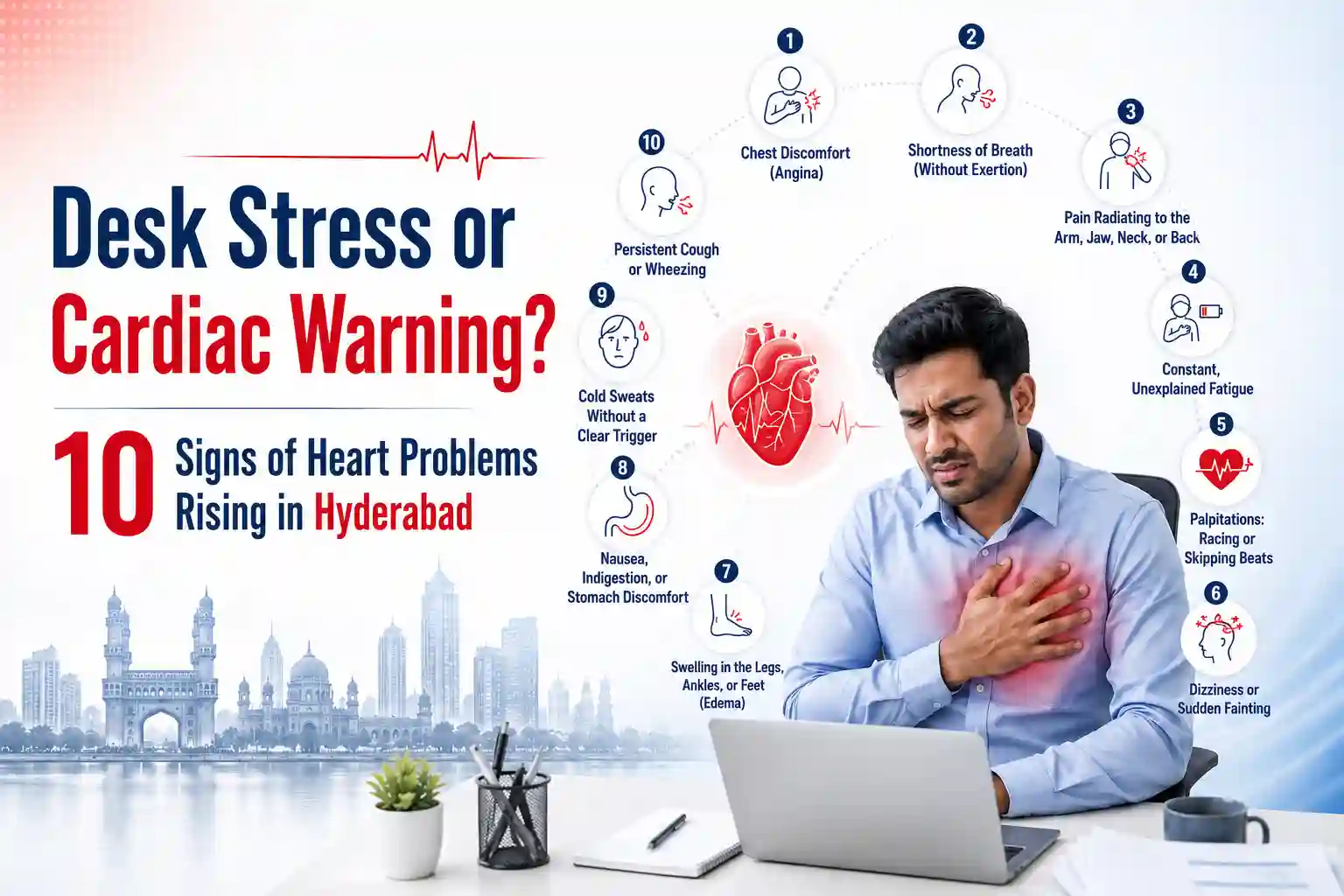
Read MoreExperiencing chest tightness or desk fatigue? Learn the 10 critical heart problem symptoms corporate workers in Hyderabad ignore. Book a checkup today.
Read MoreSpot the early signs of heart disease early, from chest pain to silent symptoms. Get expert cardiology care at Germanten Hospitals, Attapur, Hyderabad.
Read MoreGermanten Hospital is located in Attapur, one of South Hyderabad's most accessible neighborhoods. Patients from across southern and western Hyderabad can reach us within 20 to 30 minutes.