Inauguration of the Latest CUVIS, the World’s Most Advanced Fully Active Robotic Joint Replacement System
by IT and Industries Minister Shri D. Sridhar Babu
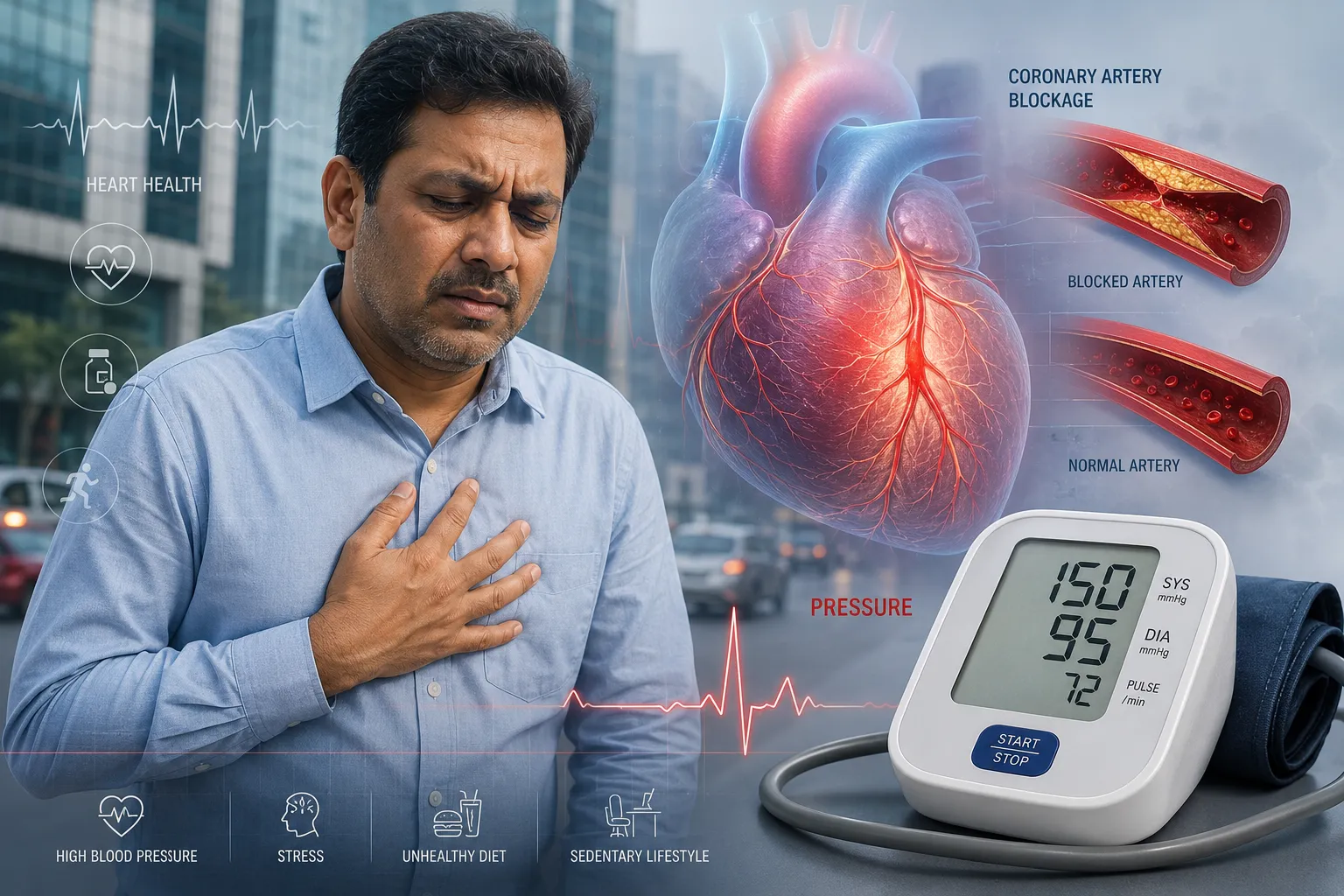
Coronary artery disease is the most common form of heart disease in India and the leading cause of heart attacks. It develops when plaque, a mixture of cholesterol, calcium, and other substances, builds up inside the coronary arteries that supply blood to the heart muscle. Over time, this buildup narrows the arteries, reduces blood flow, and can eventually block them entirely.
At Germanten Hospital, Attapur, our interventional cardiologists diagnose and treat coronary artery disease using a full range of procedures, from non-invasive stress testing and CT angiography through to coronary angioplasty, stenting, and bypass surgery. Early detection dramatically improves outcomes, and most patients with CAD can lead full, active lives with the right treatment and lifestyle management.
The coronary arteries are the blood vessels that wrap around the heart and deliver oxygen-rich blood to the heart muscle. When these arteries are healthy, blood flows freely. In coronary artery disease, fatty deposits called plaques form on the inner walls of these arteries over many years, a process known as atherosclerosis.
As plaques grow, the arteries become narrower and stiffer. This restricts blood flow to the heart, causing chest pain or breathlessness during exertion. If a plaque ruptures suddenly, a blood clot can form and completely block the artery, causing a heart attack. CAD can develop silently over decades before symptoms appear, which is why regular cardiac screening is particularly important for anyone with risk factors.
CAD often produces no symptoms in its early stages. When symptoms do appear, they typically indicate significant narrowing of one or more coronary arteries.
If you experience sudden, severe chest pain lasting more than a few minutes, call emergency services or go directly to Germanten Hospital's 24/7 casualty. Do not wait. Time is muscle.
Atherosclerosis, the underlying cause of CAD, is driven by a combination of lifestyle, metabolic, and genetic factors. The more risk factors a person has, the faster plaque can accumulate.
Diagnosis typically involves a combination of clinical assessment, blood tests, and imaging investigations. Our cardiology team at Germanten reviews all results personally and discusses findings with patients before recommending any treatment.
All diagnostic tests are available in-house at Germanten. Explore our cardiac diagnostics services.
Treatment is tailored to the severity of the disease, the number of vessels affected, the patient's overall health, and their cardiac risk profile. Most patients are managed with a combination of medication and lifestyle changes. Those with significant blockages may benefit from interventional or surgical treatment.
For patients with mild to moderate CAD, medications are the first line of treatment. They work by reducing cholesterol, controlling blood pressure, preventing clot formation, and managing symptoms.
For patients with significant blockages identified on angiography, coronary angioplasty is the standard minimally invasive treatment. A thin catheter is guided to the blocked artery through the wrist or groin. A small balloon is inflated to open the blockage, and a metal stent is placed to keep the artery open. Most patients are discharged within 24 to 48 hours and return to normal activity within a week.
Patients with multiple vessel disease, left main artery involvement, or diabetes often achieve better long-term outcomes with coronary artery bypass grafting (CABG). Healthy blood vessels from the chest, arm, or leg are used to reroute blood around blocked coronary arteries. Our cardiac surgery team performs both conventional open-heart and minimally invasive bypass procedures.
All patients with CAD benefit from structured lifestyle changes and cardiac rehabilitation. Our program covers supervised exercise, dietary counseling, medication management, and psychological support. Evidence consistently shows that cardiac rehab reduces repeat heart attacks and improves quality of life.
You should book a consultation with our cardiologist if you experience any of the following:
Consult expert cardiologists in Hyderabad at Germanten Hospital

I visited Germanten Hospital for chest pain. The cardiologist explained my heart condition clearly, reviewed my ECG, and guided me with the right treatment plan. The staff was incredibly helpful.
Germanten is a trusted hospital for heart care. My tests went smoothly, and the doctor explained the reports in simple language. I felt completely comfortable throughout the visit.
I consulted their heart specialist for high blood pressure. The doctor listened patiently and gave practical advice for managing my heart health. Excellent patient care.
My father needed guidance for a heart angiography. The cardiology team here is fantastic—they are some of the best doctors we have met. They explained every step of the procedure clearly.
I had a great experience with the cardiology department. From booking the appointment to the consultation, everything was managed perfectly. The doctor gave honest and clear advice
I went to Germanten for a preventive heart check-up. The specialist evaluated my risk factors and suggested simple, effective lifestyle changes. It was a very reassuring visit.


Watch our cardiologists explain common heart symptoms, risk factors, diagnostic tests and preventive measures.

Expert advice on maintaining cardiovascular health

Preventive measures for cardiac conditions

Understanding common heart warning signs

Overview of cardiac diagnostic procedures

Key risk factors for cardiovascular disease

Modern treatment approaches for heart conditions
by IT and Industries Minister Shri D. Sridhar Babu
by Health Minister Shri Damodar Rajanarsimha
 01 / 12
Connect with our experts doctors for guidance
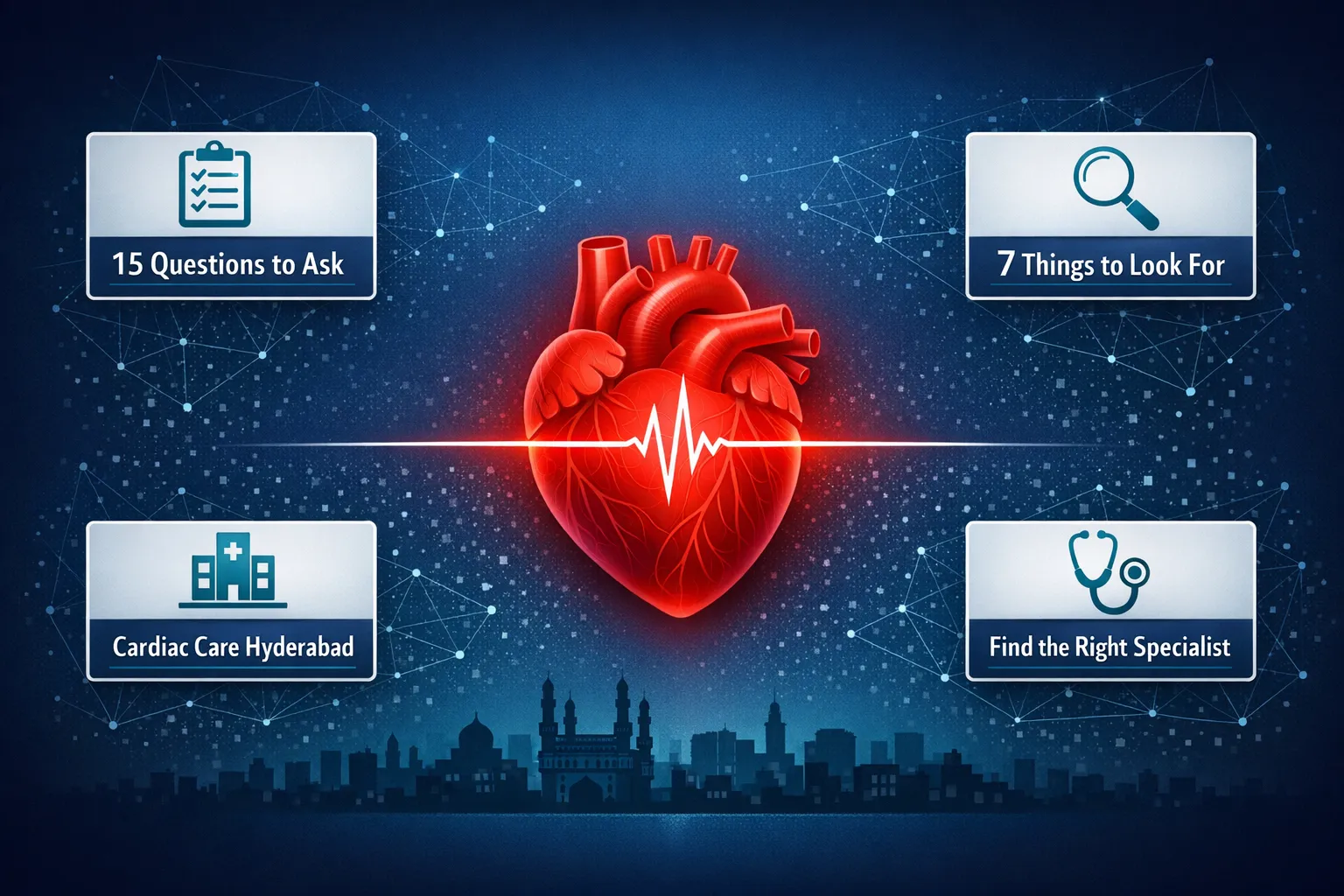
Find the best cardiologist in Hyderabad. Know what to look for, red flags to avoid, and 15 must-ask questions before your first cardiac specialist visit
Read MoreLearn how a cardiologist supports better heart health through diagnosis, prevention, regular check-ups, lifestyle guidance and cardiac care in Hyderabad
Read MoreLooking for the best cardiologist in Attapur Hyderabad? Learn what to look for, key credentials to check, and why Dr Mohammed Wasif Azam Germanten at Germanten Hospital is a trusted choice for heart care
Read MoreUnderstand how high blood pressure silently damages your heart. A Hyderabad cardiologist explains the link between hypertension and heart disease, risk factors, and treatment options for patients in Attapur and across Hyderabad.
Read MoreDiscover the 10 most common heart disease risk factors in Hyderabad and how to reduce them. Expert advice from a preventive cardiologist in Attapur on diet, lifestyle, and cardiovascular prevention.
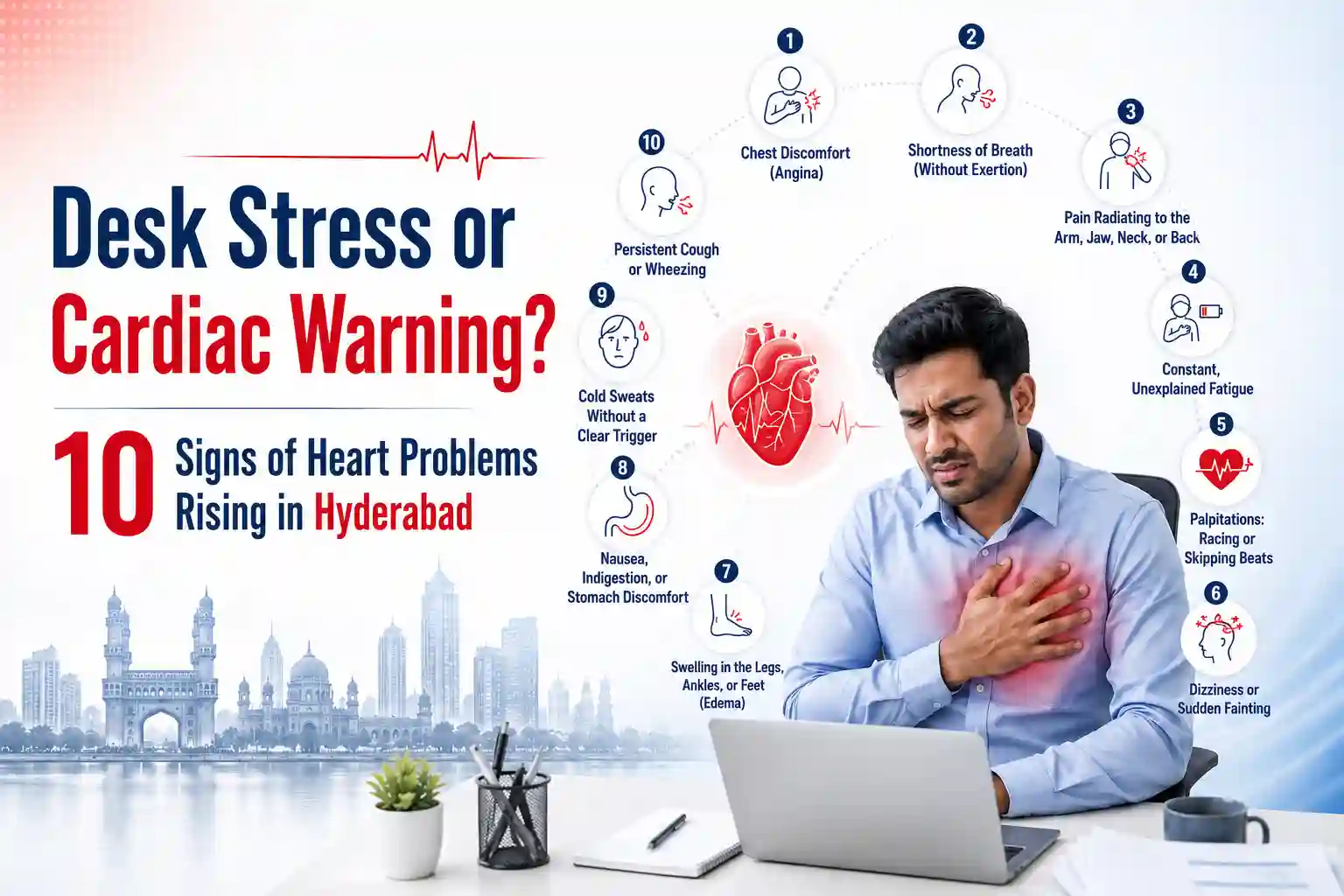
Read MoreExperiencing chest tightness or desk fatigue? Learn the 10 critical heart problem symptoms corporate workers in Hyderabad ignore. Book a checkup today.
Read MoreSpot the early signs of heart disease early, from chest pain to silent symptoms. Get expert cardiology care at Germanten Hospitals, Attapur, Hyderabad.
Read MoreGermanten Hospital is located in Attapur, one of South Hyderabad's most accessible neighborhoods. Patients from across southern and western Hyderabad can reach us within 20 to 30 minutes.